










































Some of the most meaningful improvements in a community do not begin with a large budget or a major construction plan. They begin with someone noticing a need.
A student may see classmates who could use a welcoming place to sit and talk. An Eagle Scout may notice that a neighborhood park has nowhere for families to gather for a meal. A National Honor Society member may recognize that a school courtyard needs additional seating, or that a local church could benefit from a bike rack for visitors. What begins as a simple observation can develop into a community service project that continues benefiting people long after the student who organized it has moved on.
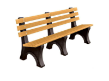
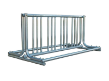
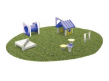
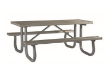
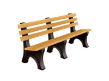
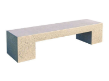
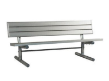
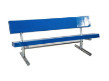
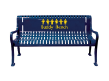
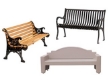
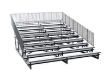
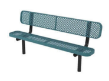
Projects involving buddy benches, park benches, picnic tables, bike racks, memorial benches, and other outdoor site improvements are especially well suited to this type of service. They create something tangible, but their value extends beyond the physical improvement itself.
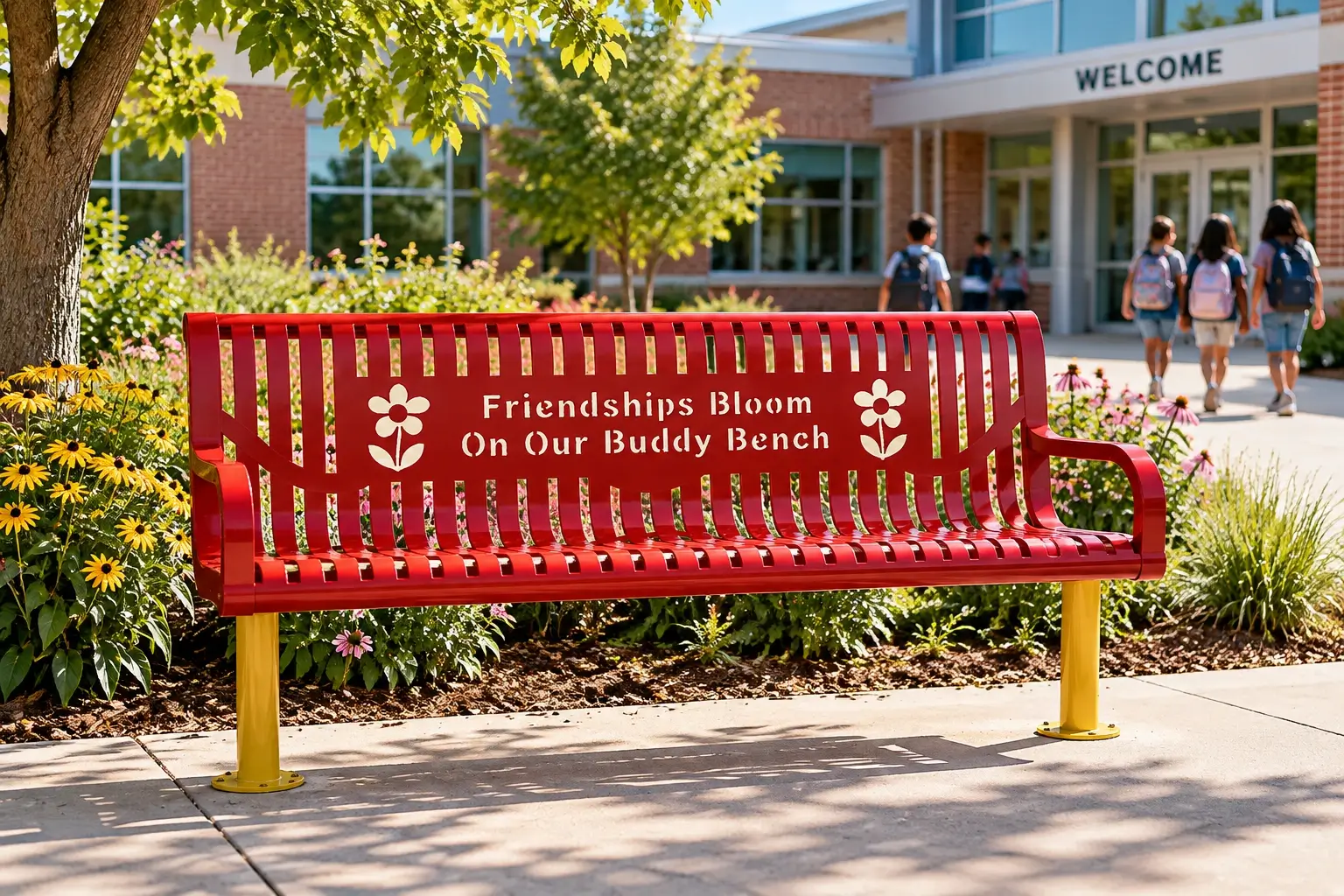
A successful student-led service project demonstrates initiative, planning, responsibility, cooperation, and a willingness to turn an idea into action. For younger members of the community who see the finished project, it can also provide an example of what they may be capable of accomplishing in the future.
Whether a project is being organized through the National Honor Society, Scouts, a school organization, church youth group, service club, or an individual community effort, careful preparation can make the difference between a good idea and a lasting contribution.
Why Student-Led Community Service Projects Matter
Community service is often measured in hours, but hours alone do not tell the entire story.
A lasting service project asks a different question: What will be better because this project was completed?
Consider a buddy bench installed on an elementary school playground. Its physical purpose is simple—it provides a place to sit. Its broader purpose may be to encourage friendship and inclusion.
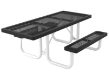
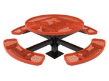
A new picnic table at a neighborhood park can provide a place for birthday parties, lunches, conversations, homework, or family gatherings. A bike rack at a school or community center may support people who bicycle to the property. A memorial bench can preserve someone's memory while creating a useful place for visitors to rest and reflect.
These projects become part of the environment in which everyday community life takes place.
That is one reason passion matters. When students choose a project because they recognize a genuine need rather than simply looking for something to complete, they are more likely to think carefully about who will use it, where it should go, how it should be installed, and how it can continue serving the community.
Turning a Community Need Into a Service Project
The strongest project ideas often begin by observing rather than building.
Walk through the school, park, church, recreation area, trail, playground, or other property being considered. Look at how people currently use the space.
Are parents standing because there is nowhere to sit?
Do visitors regularly lean bicycles against buildings or fences?
Is there an area where families gather even though no picnic tables are available?
Could students benefit from a designated buddy bench?
Is an existing bench or table damaged enough that repairing or replacing it would improve the space?
Talking with the people responsible for the property can reveal needs that may not be immediately obvious. Administrators, parks staff, teachers, maintenance personnel, church leaders, coaches, and community organizations may already have improvement ideas that have not been completed because of limited time or funding.
Once a need has been identified, the project can begin taking shape.
1. Understand the Project Requirements
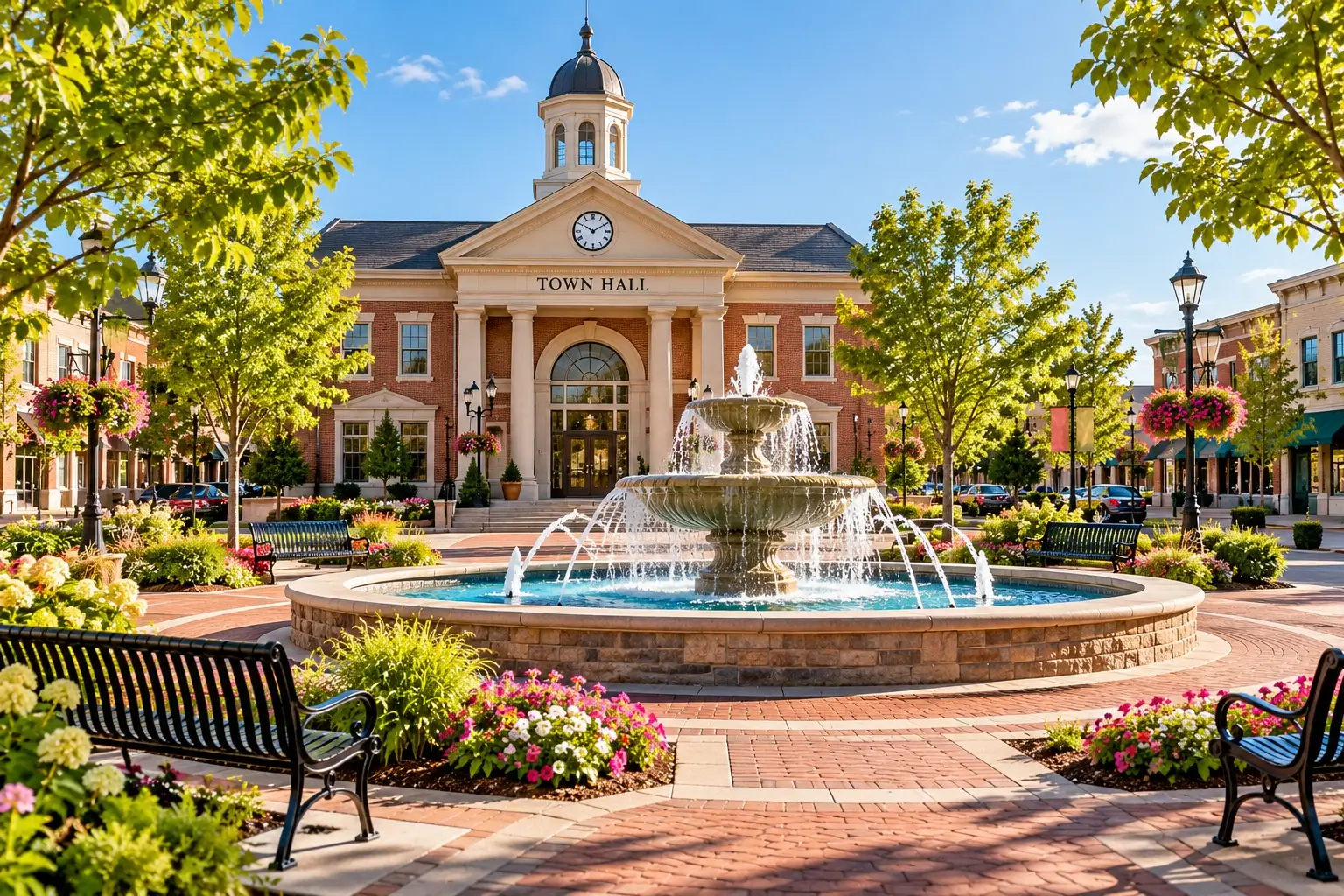
Before purchasing materials, raising money, or scheduling volunteers, determine exactly what the project requires.
If the improvement will be installed on property the student does not own, permission should come first. A school district, parks department, church, municipality, homeowners association, or other property owner may have requirements governing what can be installed.
Important questions can include:
- Who must approve the project?
- Where can the item be placed?
- Are there size, material, color, or design requirements?
- Does the property owner require a particular mounting method?
- Are there accessibility considerations?
- Are underground utilities or irrigation systems nearby?
- Who will maintain the improvement after installation?
- Are permits or additional approvals necessary?
For example, selecting a park bench without first determining how it can be anchored could create problems later if the property requires permanent surface mounting. Likewise, choosing a picnic table based only on appearance may overlook accessibility or space requirements at the proposed location.
Get these answers early. They can affect nearly every decision that follows.
2. Build a Detailed Project Plan
A community service project becomes much easier to manage when the goal is divided into individual steps.
Start with the desired result and work backward.
If the goal is to install two new picnic tables at a community park, the project might involve obtaining approval, measuring the location, selecting appropriate tables, determining installation requirements, developing a budget, raising funds, ordering the equipment, coordinating delivery, recruiting volunteers, preparing the site, installing the tables, cleaning the area, and documenting the completed work.
Writing these steps down creates a roadmap.
It also helps identify responsibilities. A student leading the project does not necessarily need to personally perform every task. Leadership often means coordinating people who have the appropriate experience to help.
Parents may assist with transportation. A contractor may advise on anchoring. A local business may donate supplies. Fellow students may participate in cleanup or assembly. A parks employee may identify an appropriate installation location.
A well-planned project gives each person a useful role while keeping responsibility for the overall project organized.
3. Be Realistic About Capability and Skill Level
Ambition is valuable, but a service project also needs to be safe and achievable.
Students should consider which parts of the project they can reasonably complete themselves and which require knowledgeable adult assistance or professional work.
Assembling a bench may be manageable for a group of volunteers. Installing equipment in concrete, excavating an area, working around utilities, repairing structural components, or operating certain power equipment may require additional experience.
Recognizing those limitations does not make a project less student-led.
In fact, identifying when specialized help is needed is an important part of project management.
The student's responsibility can remain substantial: developing the idea, securing permission, creating the budget, fundraising, selecting the equipment, recruiting volunteers, coordinating schedules, communicating with stakeholders, and overseeing the project through completion.
Good leadership includes knowing when to ask for help.
4. Create a Realistic Project Schedule
Community improvement projects often involve more time than the installation itself.
Approvals may take several weeks. Fundraising may need to occur before an order can be placed. Products or materials may have lead times. Delivery schedules can change. Weather may affect outdoor work.
Instead of choosing an installation date first and attempting to make everything fit around it, develop the schedule based on the steps required.
A project timeline might include separate periods for:
Research → Approval → Fundraising → Purchasing → Delivery → Site Preparation → Installation → Final Inspection
Building extra time into the schedule is wise, particularly if the project must be completed before graduation, the end of a school year, an Eagle Scout deadline, or another fixed date.
Outdoor projects should also have a backup plan for weather.
The more people involved, the more important scheduling becomes. Volunteers, property representatives, parents, contractors, and delivery personnel may all have different availability.
Starting early provides flexibility when something does not happen exactly as planned.
5. Determine Funding and Material Availability
Even relatively simple community service projects can involve expenses beyond the main item being installed.
A complete budget should consider the entire project.
In addition to a bench, picnic table, bike rack, or other site furnishing, expenses could include mounting hardware, concrete, tools, site preparation materials, landscaping, signs, plaques, transportation, delivery, or disposal of an item being replaced.
Once the expected cost is known, students can determine how the project will be funded.
Possible sources may include donations from local businesses, fundraising events, civic organizations, community sponsors, family contributions, school organizations, or contributions from people who support the project's purpose.
When requesting support, explain the project clearly. Donors are more likely to understand the value of a project when they know what is being improved, who will benefit, how much is needed, and how the finished project will serve the community.
Availability matters as well.
Do not wait until the planned installation date is approaching to determine whether a particular bench, table, rack, plaque, or material can arrive on time. Confirm expected availability and delivery timing as part of the planning process.
6. Execute the Project Safely and Carefully
Installation day may be the most visible part of a community service project, but it represents the work that came before it.
Begin with a clear plan for the day.
Volunteers should know when to arrive, what they will be doing, what equipment is needed, and who is responsible for supervising individual tasks. Materials and tools should be available before work begins whenever possible.
If installation involves anchoring outdoor furniture, digging, concrete work, or other specialized tasks, follow the applicable instructions and requirements established during the planning stage.
Avoid making last-minute changes to an approved location without consulting the property owner. Moving a bench or bike rack even a short distance could affect pedestrian circulation, mowing access, accessibility, underground utilities, drainage, or other site considerations.
Before considering the project complete, inspect the area.
Remove packaging and construction debris, verify that installed items are stable, restore disturbed landscaping when necessary, and make sure the completed space is ready for public use.
Think Beyond Installation Day
A lasting community project should not create an unexpected maintenance problem for the organization receiving it.
Before choosing a product or material, consider the environment where it will be used.
Will it remain outdoors throughout the year? Will it receive heavy daily use? Is the location exposed to direct sunlight, rain, snow, irrigation, or coastal conditions? Will maintenance crews need to mow or trim around it?
The answers can influence decisions about materials, finishes, mounting methods, and placement.
It is also worth asking who will care for the improvement in the future.
A student may graduate or move away, but the bench, picnic table, or bike rack could remain for many years. Planning for that future is part of creating a responsible project.
Document the Journey, Not Just the Finished Project
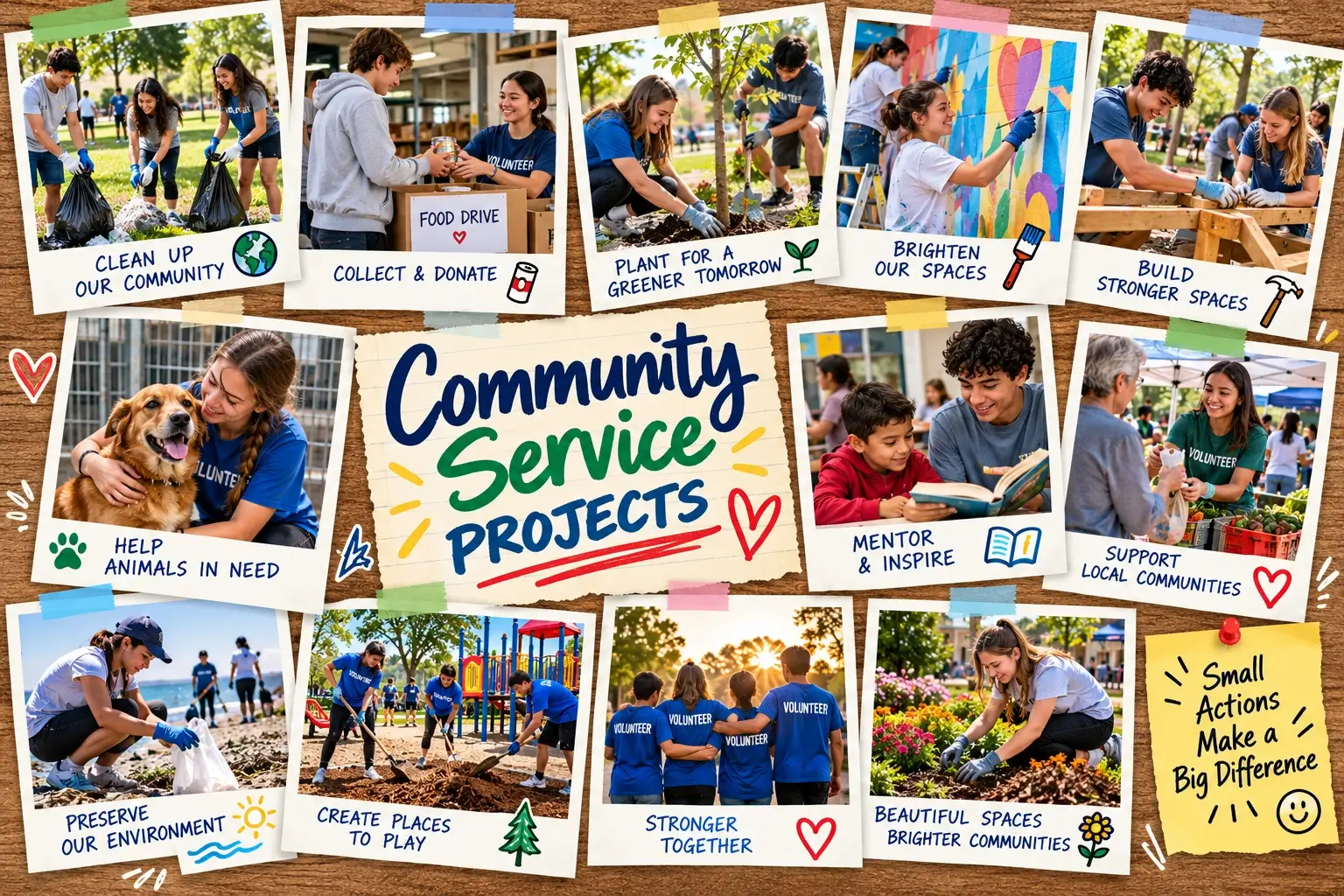
Taking photographs of the completed project is worthwhile, but the process itself tells a much richer story.
Document the original condition of the site. Keep copies of sketches, budgets, fundraising materials, approval documents, and project schedules. Photograph volunteers working and record important milestones.
This documentation can be useful when preparing a National Honor Society service summary, Scout project report, school presentation, sponsor thank-you, or community announcement.
It also demonstrates something a photograph of the finished bench cannot show: the amount of planning and leadership required to make the project happen.
Consider recording lessons learned as well. What took longer than expected? What would you do differently? Which planning decision proved especially important?
Those observations could help another student undertake a similar project later.
Community Service Project Ideas for Schools, Parks and Churches
.webp)
Not every community needs the same improvement, which is why the best service project is usually based on a specific local need.
Students looking for ideas might consider projects involving:
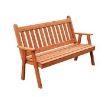
- Buddy benches to encourage interaction and inclusion in school or playground environments
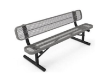
- Park benches to create seating along walking paths, playgrounds, athletic areas, or community spaces
- Memorial benches that combine useful seating with remembrance
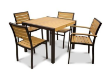
- Picnic tables for outdoor gathering, dining, studying, and recreation
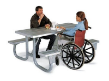
- Accessible picnic tables where appropriate to help create more inclusive gathering areas
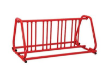
- Bike racks to provide designated bicycle parking at schools, parks, churches, and community facilities
- Existing furniture restoration when a bench or table can be safely repaired rather than replaced
- Site improvement projects that combine seating or tables with landscaping, cleanup, or beautification efforts
The physical item should not be the starting point, however. Start with the community need and then determine which improvement best addresses it.
Small Projects Can Have a Long Life
A student does not have to transform an entire park to make a meaningful contribution.
One thoughtfully placed bench can matter to the parent who watches a child play there every weekend. A picnic table can become the gathering place used by families for years. A bike rack can quietly serve hundreds of students. A buddy bench may help create a conversation between two children who otherwise would not have met.
That is one of the remarkable qualities of a well-planned community service project: the work may take weeks or months, but the result can remain long after the people who completed it have left.
Students who undertake these projects also leave behind something that cannot be bolted to concrete or placed beside a playground.
They leave an example.
A younger student may see an Eagle Scout complete a park improvement and realize that young people can make meaningful changes in their community. A future National Honor Society member may see a bench installed by graduating students and decide to build upon what they started.
One project can become inspiration for another.
From an Idea to a Community Legacy
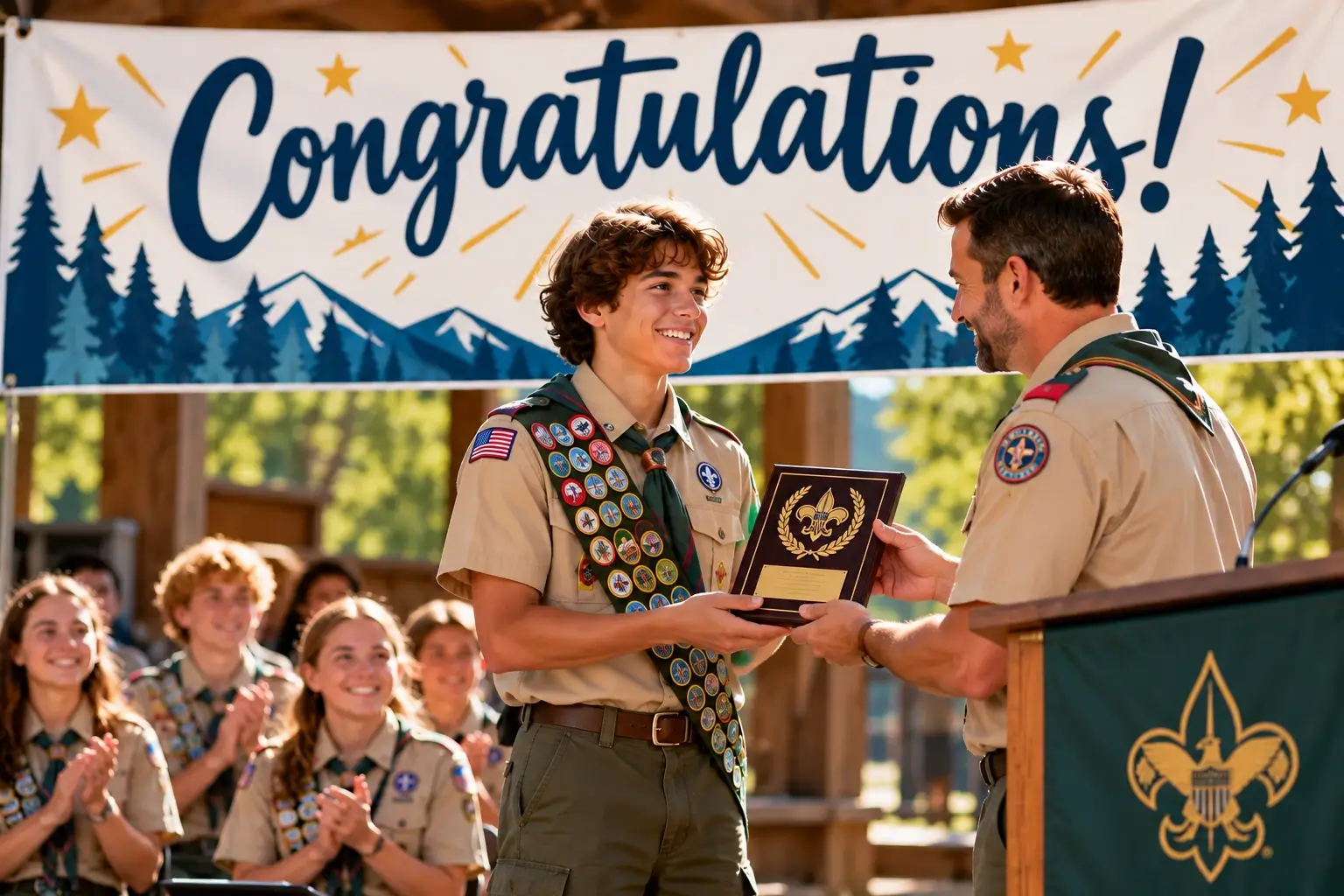
Successful community service projects tend to follow the same progression: someone recognizes a need, develops a plan, gathers support, works through obstacles, and completes something that benefits others.
The bench, picnic table, bike rack, or other improvement is the visible result.
The less visible achievement is the leadership behind it.
For students, completing a lasting service project is an opportunity to learn how ideas become plans and how plans become results. For the school, church, park, or neighborhood receiving the improvement, it is a reminder that community involvement does not have an age requirement.
Years later, people using that picnic table or resting on that bench may never know every detail of the work required to put it there.
But they will still be benefiting from the student who cared enough to begin.



Leave your comment