






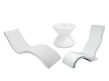
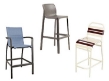
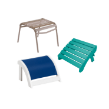
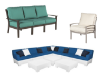



Natural disaster preparedness is about more than stocking emergency supplies and knowing evacuation routes. For communities where hurricanes, tropical storms, flooding, tornadoes, wildfires, or other severe weather events are possible, protecting outdoor property should also be part of the preparedness conversation.
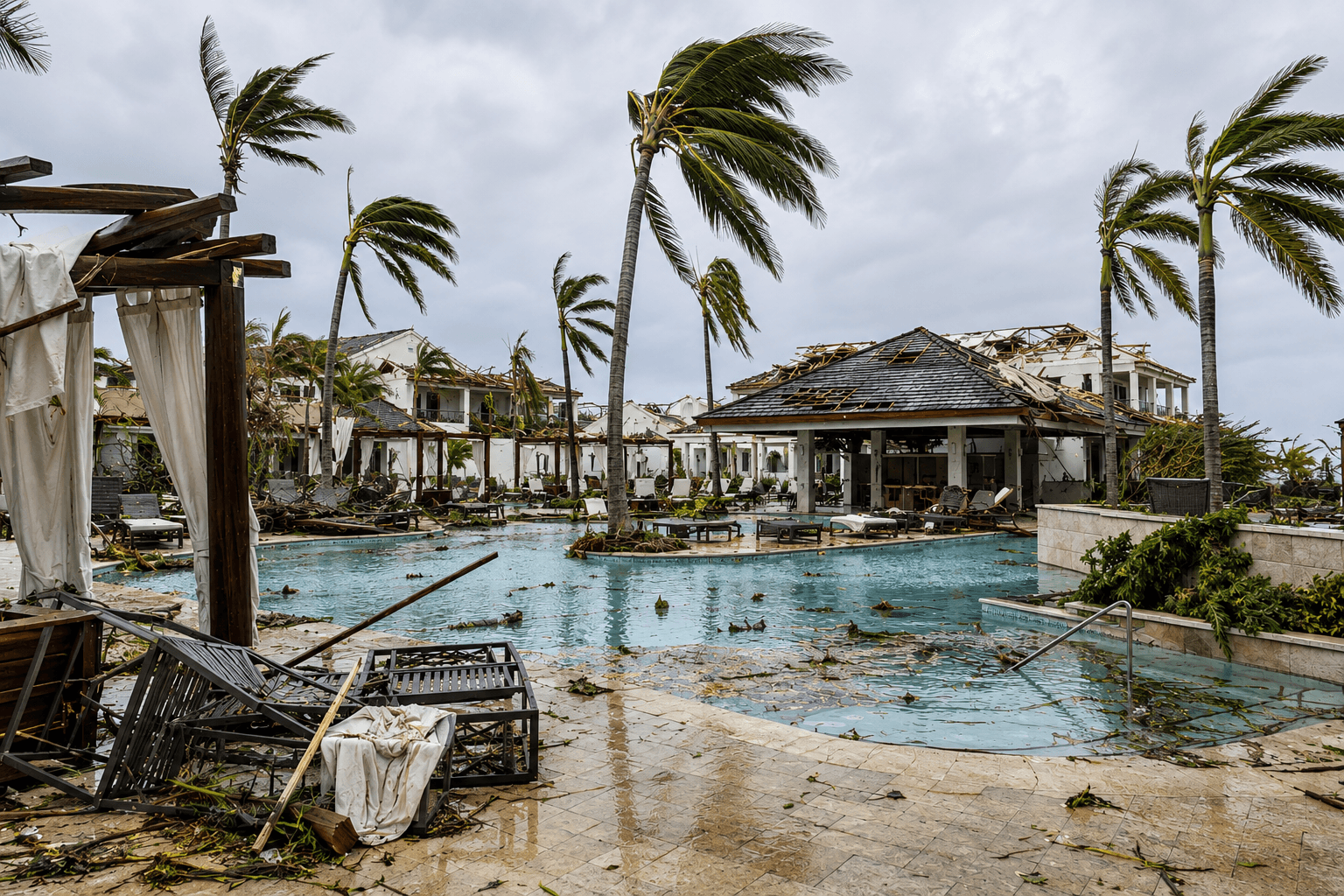
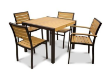
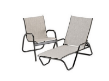
Patio chairs, chaise lounges, picnic tables, umbrellas, trash receptacles, planters, benches, pool furniture, and other outdoor furnishings represent a significant investment for residents and businesses. More importantly, some unsecured furnishings and accessories can become hazards when severe winds arrive.
Yet outdoor furniture is easy to overlook.
When a storm is approaching, attention understandably turns to protecting people, securing buildings, gathering emergency supplies, and preparing for possible evacuation. By the time someone remembers the furniture around a pool, patio, courtyard, restaurant, or recreation area, weather conditions may already make moving it difficult or unsafe.
Local governments can help change that.
Municipalities already serve as trusted sources for evacuation zones, emergency shelters, disaster supply checklists, sandbag locations, road closures, and other critical information. Adding outdoor property protection to community preparedness resources is a relatively simple way to help residents and businesses prepare earlier, potentially reduce property damage, and keep unsecured objects from becoming additional hazards.
Why Outdoor Furniture Should Be Part of Disaster Preparedness
Outdoor furniture is designed to live outside, but outdoor-rated does not mean disaster-proof.
Commercial furniture may withstand everyday exposure to sunlight, rain, moisture, and normal wind conditions, but hurricanes and severe storms introduce forces far beyond normal use.
The risk also extends beyond the furniture itself. An unsecured umbrella, lightweight chair, side table, planter, or accessory can be moved by extreme winds. Furniture that stays in place may still be damaged by falling branches, windborne debris, flooding, storm surge, fire, or collapsing structures.
Preparing outdoor areas in advance can therefore serve two purposes: protecting property and reducing loose objects around the community before severe weather arrives.
Local Governments Can Fill a Preparedness Gap
Municipal disaster-preparedness information generally—and appropriately—focuses first on life safety.
Residents may receive instructions about evacuation zones, emergency kits, shelters, generators, pets, medications, important documents, and protecting their homes. Businesses may receive guidance about continuity plans, employee safety, records, utilities, and building preparation.
Outdoor spaces don't always receive the same attention.
That creates an opportunity for municipalities, counties, parks departments, emergency-management offices, tourism agencies, and business-development organizations to provide additional guidance.
A simple Outdoor Property Preparedness Checklist could be included alongside existing seasonal preparedness resources and shared with:
- Residents and homeowners associations
- Hotels and resorts
- Restaurants and outdoor dining businesses
- Waterparks and aquatic facilities
- Theme parks and attractions
- Apartment and condominium communities
- Parks and recreation facilities
- Schools and universities
- Country clubs and golf facilities
- Local businesses with patios or courtyards
The goal isn't to tell every property exactly what to do. Furniture, buildings, storage capacity, hazards, and emergency procedures vary considerably. Instead, municipalities can encourage property owners to evaluate outdoor furnishings before severe weather is in the forecast and develop a plan appropriate for their property.
Start With an Outdoor Furniture Inventory
One of the simplest preparedness steps is also one of the most useful: know what you have.
Properties with extensive outdoor spaces can contain hundreds of individual items. Hotels may have furniture around pools, balconies, restaurants, courtyards, and guest areas. Waterparks can have chaise lounges, dining tables, umbrellas, cabanas, receptacles, and benches distributed across a large property.
Waiting until a storm warning to figure out what needs attention wastes valuable preparation time.
Before disaster season, create an inventory of major outdoor furnishings and divide them into categories such as:
Move indoors: Lightweight chairs, small tables, cushions, decorative accessories, and other easily transported items.
Secure or relocate: Larger furnishings that cannot conveniently be brought inside but have an established safe location or securing procedure.
Permanent furnishings: Surface-mounted, in-ground, or otherwise fixed furnishings that should be inspected rather than moved.
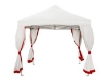
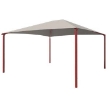
Specialty equipment: Umbrellas, cabanas, shade products, outdoor heaters, planters, signage, and other products requiring individual preparation procedures.
Photographs can supplement the inventory and provide a record of the property's condition before an event.
Create a Plan for Where Furniture Will Go
"Bring the furniture inside" sounds simple until a hotel has 150 chaise lounges and nowhere obvious to put them.
Preparedness planning should identify where furniture will be moved before the emergency occurs.
Possible locations depend on the property and may include designated storage rooms, warehouses, maintenance buildings, garages, or other suitable areas identified by the property's emergency plan.
Measure storage areas and compare available capacity with the furniture inventory. Determine whether products stack and how many pieces can realistically be stored. Identify which doors, elevators, gates, and pathways employees will need to use.
Large commercial properties should consider creating a basic relocation map. Divide the property into zones and establish where furnishings from each zone are supposed to go.
This can turn a chaotic last-minute response into an organized procedure.
Prioritize Lightweight and High-Risk Objects
Not every outdoor item presents the same concern.
Lightweight or high-profile objects should receive particular attention because strong winds may move them more easily. These can include:
- Patio umbrellas and removable umbrella components
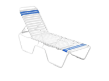
- Lightweight chairs and chaise lounges
- Small side tables
- Seat and back cushions
- Decorative accessories
- Freestanding signs
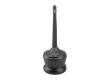
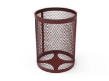
- Wastebasket lids and removable components
- Lightweight planters
- Outdoor décor
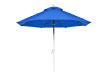
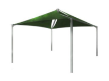
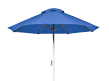
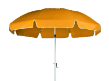
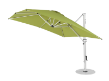
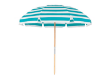
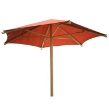
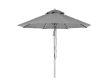
Umbrellas deserve special consideration. Their large canopy surface catches wind, which is why they should never simply be assumed safe because they are sitting in a heavy base.
Follow the manufacturer's instructions for severe weather and storage whenever available.
Don't Forget Pool Furniture
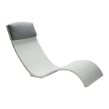
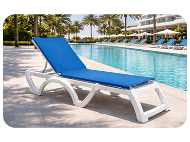
Pools create an additional preparedness challenge because they often contain large quantities of outdoor furniture in exposed areas.
Hotels, resorts, apartment communities, waterparks, and municipal aquatic facilities should have a written plan for pool deck furniture before storm season begins.
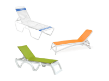
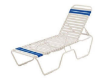
Determine how many chaise lounges and chairs can be stacked, how stacks will be transported, where cushions will be stored, and which employees or departments are responsible for each area.
Some people may consider placing furniture in a swimming pool during hurricanes. Property owners should not assume this is a safe storage method. Pool chemistry, furniture materials, finishes, hardware, circulation equipment, and manufacturer recommendations all need to be considered. Follow the furniture and pool-equipment manufacturers' instructions rather than improvising during an emergency.
Prepare Heavy Commercial Site Furniture Differently
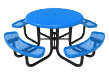
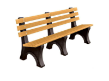
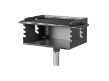
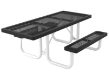
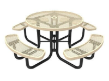
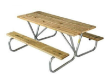
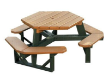
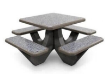
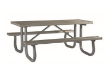
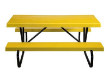
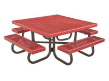
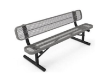
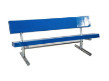
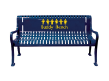
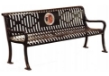
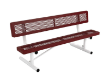
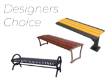
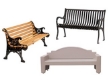
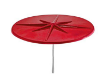
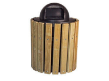
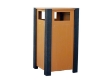
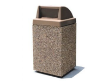
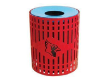
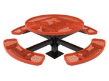
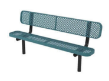
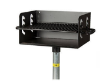
Commercial picnic tables, park benches, receptacles, and other site furnishings may be too large or heavy to move into storage.
Some are permanently installed using surface-mount or in-ground systems. Others may simply be heavy enough that moving them requires equipment.
Municipalities and property managers should inventory these products separately.
Before severe-weather season, inspect mounting hardware, anchors, frames, welds, fasteners, and other structural components according to manufacturer recommendations. A table that was properly installed years ago shouldn't automatically be assumed to remain in its original condition.
Portable commercial furnishings should have a predetermined relocation or securing plan appropriate to the product and site.
Never wait until dangerous conditions have begun to attempt moving extremely heavy furniture.
Hotels and Resorts: Divide Large Properties Into Zones
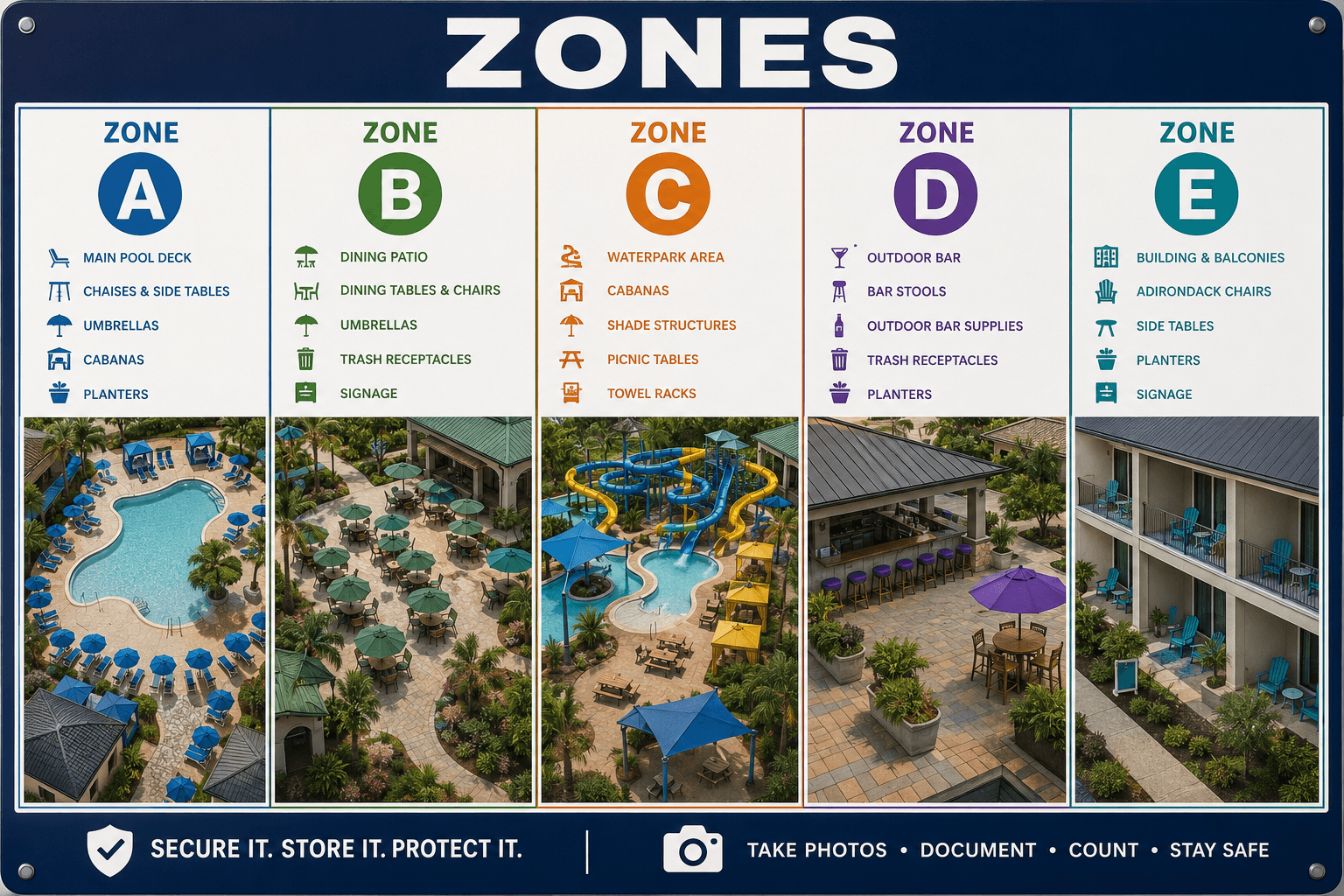
Hospitality properties can make outdoor furniture preparedness more manageable by dividing the property into sections.
For example:
Zone A: Main swimming pool
Zone B: Outdoor restaurant and bar
Zone C: Guest courtyards
Zone D: Beach or waterfront area
Zone E: Entrance and common areas
Assign each zone to a specific team and maintain an inventory for that area.
The property's emergency plan can establish which items receive priority and when preparations should begin. This is particularly helpful for resorts with hundreds of pieces of commercial outdoor furniture.
Waterparks and Theme Parks: Think Beyond Seating
.png)
Waterparks and theme parks face an even larger challenge because outdoor furnishings may be spread throughout acres of property.
Preparation shouldn't stop with tables and chairs.
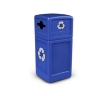
Review umbrellas, queue-area furnishings, trash receptacles, portable signage, decorative elements, outdoor dining furniture, planters, benches, cabanas, and other movable site amenities.
Maintenance teams should know which items are permanent, which can be relocated, what equipment is required, and approximately how long each area takes to prepare.
Running a preparedness exercise before the beginning of severe-weather season can expose problems that aren't obvious on paper.
If a team discovers that moving one section requires three hours instead of one, that's valuable information to learn on a clear day—not as a storm approaches.
Restaurants and Local Businesses: Don't Overlook the Patio
Outdoor dining has made patios increasingly valuable to restaurants and hospitality businesses. That also means businesses may have substantial investments sitting outside.
Tables, chairs, umbrellas, barriers, planters, menu boards, and decorative pieces should all be incorporated into the business's emergency plan.
Restaurants should determine how much furniture can fit indoors without obstructing emergency exits, fire equipment, or required access. Alternative approved storage may be necessary when indoor capacity is limited.
A simple photograph showing the correct storage arrangement can help employees recreate it quickly.
Residents and HOAs Need a Plan, Too
Municipal preparedness messaging can also remind homeowners and community associations that residential outdoor areas require attention.
Patio chairs, grills, umbrellas, children's outdoor items, pool accessories, hanging decorations, and other loose objects can easily be forgotten when attention shifts to shutters, food, water, and evacuation.
HOAs and condominium communities can reinforce municipal messaging by establishing their own procedures for common-area furniture.
Most importantly, residents should be encouraged to prepare early. Outdoor property is replaceable; personal safety is not. Once officials advise residents to shelter or evacuate, furniture preparation should never take priority.
Flooding Requires a Different Strategy
.png)
Wind isn't the only natural-disaster threat to outdoor furniture.
Floodwater can move furniture, introduce mud and contaminants, damage finishes and components, and leave furnishings surrounded by debris.
Properties in flood-prone areas should identify which movable furnishings can reasonably be relocated to higher ground as part of their approved emergency plan.
After flooding, don't immediately return furniture to service. Inspect products for movement, impact damage, loose hardware, damaged finishes, contamination, instability, and other problems.
Follow public-health guidance when floodwater contamination is possible.
Wildfire Preparedness Requires Site-Specific Planning
.png)
Communities facing wildfire risk have different concerns from coastal communities preparing for hurricanes.
Furniture preparation should be incorporated into the property's broader wildfire and evacuation strategy rather than treated as a separate last-minute task. Combustible outdoor items, cushions, umbrellas, and decorative materials may require particular consideration depending on local fire guidance.
Municipalities should direct residents and businesses to their local fire authority, emergency-management agency, and applicable defensible-space requirements for location-specific instructions.
Most importantly, property protection should never delay an evacuation.
Build Preparation Into the Calendar
The best time to develop an outdoor furniture disaster plan is when nothing is happening.
Municipalities can encourage residents and businesses to add several tasks to their annual preparedness calendars:
Before disaster season: Inventory furniture, inspect permanent installations, establish storage locations, photograph outdoor areas, and update staff responsibilities.
When severe weather becomes possible: Review the plan, monitor official information, confirm staffing, and prepare storage areas.
When local authorities issue relevant alerts or instructions: Follow the property's emergency plan and official guidance. Complete outdoor preparations only when conditions allow them to be performed safely.
After the event: Wait for authorities to indicate that conditions are safe, then inspect furniture before putting it back into service.
Preparation completed weeks or months in advance reduces the number of decisions that have to be made under pressure.
What Municipalities Can Provide to Their Communities
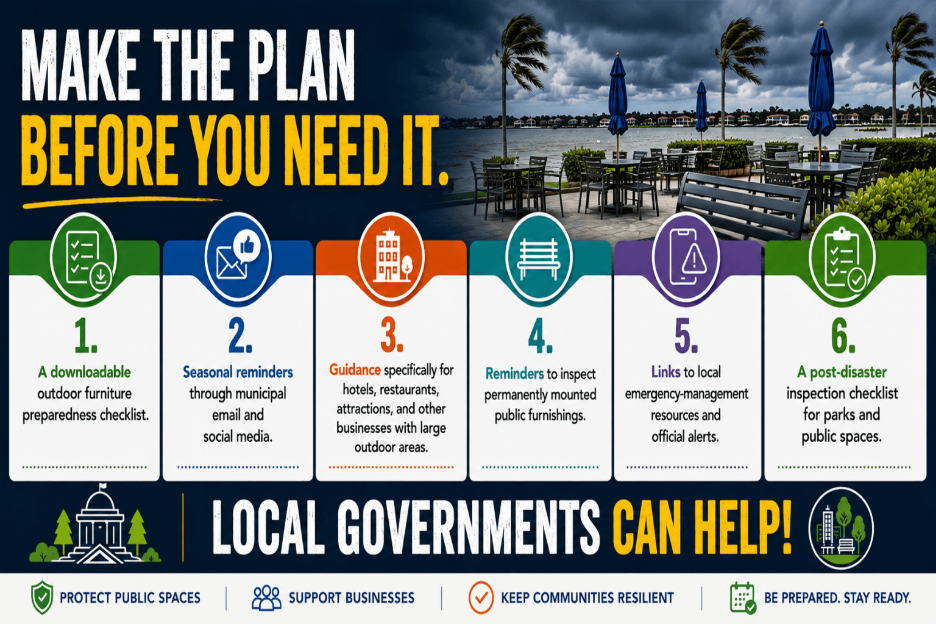
Local governments don't need to create complicated programs to make a difference. Outdoor property preparedness can become another component of existing emergency communication.
Useful resources could include:
- A downloadable outdoor furniture preparedness checklist.
- Seasonal reminders through municipal email and social media.
- Guidance specifically for hotels, restaurants, attractions, and other businesses with large outdoor areas.
- Reminders to inspect permanently mounted public furnishings.
- Links to local emergency-management resources and official alerts.
- A post-disaster inspection checklist for parks and public spaces.
Municipalities can also encourage businesses to contact furniture manufacturers or suppliers well before disaster season when they have questions about moving, stacking, storing, mounting, or maintaining specific products.
Outdoor Furniture Disaster Preparedness Checklist
Before severe-weather season, property owners and facility managers should be able to answer these questions:
- Do we have an inventory of our outdoor furniture?
- Which items can be moved?
- Which furnishings are permanently mounted?
- Where will movable furniture be stored?
- Does everything actually fit in the planned storage area?
- What equipment is needed to move large items?
- Who is responsible for each outdoor area?
- How long does the entire process take?
- Are manufacturer storage or severe-weather instructions available?
- Have mounting hardware and permanent furnishings been inspected?
- Are photographs available showing normal condition and proper storage arrangements?
- Is there a procedure for inspecting furniture after the event?
- Can all preparation be completed well before conditions become dangerous?
If several answers are "no," the property has identified opportunities to improve its preparedness plan.
Prepare the Community Before the Forecast Turns Urgent
Natural disasters will always involve uncertainty. Preparation reduces the number of things a community has to figure out while that uncertainty is unfolding.
For municipalities, preparedness education doesn't have to end with evacuation maps, shelters, and emergency supply lists. Helping residents and local businesses think about the property outside their buildings can fill an easily overlooked gap.
For hotels, waterparks, theme parks, restaurants, HOAs, and other organizations, the objective is equally straightforward: know what outdoor furniture you have, know what needs to happen to it, know where it will go, and know who will handle it—before an emergency is approaching.
A chaise lounge, umbrella, picnic table, or patio chair may seem insignificant compared with the larger concerns surrounding a natural disaster. But multiplied across thousands of homes and businesses, better outdoor-property planning can mean less preventable damage, fewer unsecured objects, and a community that is better prepared as a whole.
Prepare people first. Protect property while it is safe to do so. And make the plan before you need it.


Leave your comment