



































Inclusive & Sensory Playground Equipment for Parks, Schools & Communities
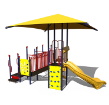
Inclusive and sensory playground equipment is designed to create welcoming play environments where children of all abilities can engage, explore, and interact together. These commercial-grade play solutions support physical, cognitive, and social development while encouraging imaginative and cooperative play in shared outdoor spaces. Sensory play components such as tactile panels, musical elements, interactive spinners, and visually engaging features help stimulate the senses while promoting focus, communication, and motor skills. Inclusive designs ensure accessibility for children with mobility challenges, sensory sensitivities, and developmental differences, making playgrounds more equitable and engaging for everyone. Ideal for parks, schools, and community spaces, inclusive and sensory playground equipment supports ADA-friendly layouts and meets the expectations of municipalities and educational facilities seeking safe, durable, and developmentally supportive play environments. These thoughtfully designed structures help communities foster connection, creativity, and inclusive outdoor play experiences for all children.


What Is Sensory Playground Equipment?
Sensory playground equipment is designed to stimulate touch, sound, movement, and visual engagement to support learning and development. These interactive play elements help children explore sensory input while building motor skills, focus, and creativity.
Common sensory playground features include:
Visually engaging colors, patterns, and shapes
What Is Inclusive Playground Equipment?
Inclusive playground equipment is designed so children of all abilities can play together in the same commercial playground environment. Rather than separating users, inclusive play equipment promotes shared experiences through accessible design and multi-use play components.
Inclusive playground features often include:
Ground-level play activities
Accessible circulation paths
Play elements usable by children with varied abilities
Designs that encourage cooperative and parallel play
What Is the Difference Between Inclusive & Sensory Playground Equipment?
Sensory playground equipment focuses on sensory engagement and developmental support, while inclusive playground equipment prioritizes accessibility and shared participation. Many commercial playgrounds combine both approaches for a complete inclusive play environment.
Key differences include:
Sensory play targets stimulation through touch, sound, and movement
Inclusive play focuses on access, usability, and shared play
Sensory elements enhance inclusive playground layouts but do not replace inclusive design
Benefits of Inclusive Play for Children of All Abilities
Inclusive playgrounds support physical, social, and emotional development while fostering understanding and cooperation among children of different abilities. Shared play environments encourage confidence, independence, and positive interaction.
Benefits of inclusive playground equipment include:
Improved social skills and communication
Increased confidence through shared play
Support for physical activity and coordination
Welcoming play spaces for diverse users
Sensory Play Elements That Support Learning & Development
Sensory playground equipment supports early learning and developmental growth through hands-on play experiences that encourage exploration and creativity.
Sensory play elements help support:
Fine and gross motor skill development
Cognitive learning and problem-solving
Sensory regulation and focus
Imaginative and interactive play
ADA-Friendly Design for Commercial Playgrounds
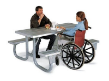
ADA-friendly playground design ensures commercial playgrounds are accessible, usable, and welcoming for children and caregivers of all abilities, including wheelchair users.
Key ADA-friendly playground design elements include:
Accessible routes connecting play components
Ground-level activities that do not require transfers
Clear maneuvering space for wheelchair users
Layouts that support visibility, supervision, and mobility
Inclusive Playground Equipment for Parks, Schools & Communities
Inclusive playground equipment is ideal for public parks, school playgrounds, and community spaces seeking equitable outdoor recreation. These commercial-grade play solutions are designed for durability, accessibility, and long-term use.
Supporting Social Interaction Through Sensory Play
Sensory playground equipment naturally encourages social interaction by inviting children to explore, experiment, and play together. Shared sensory experiences help build communication skills and confidence.
Social benefits of sensory play include:
Cooperative play and shared discovery
Increased peer interaction
Support for communication and social development
Planning an Inclusive Playground Layout
Effective inclusive playground planning integrates accessibility, safety, and sensory play throughout the space. Thoughtful layouts ensure all users can navigate and enjoy the playground without barriers.
Inclusive playground layout planning considers:
Clear, accessible circulation paths
A balance of active and quiet sensory zones
Distributed play elements to prevent crowding
Seamless integration of inclusive and traditional play equipment
Age-Appropriate Inclusive & Sensory Play Solutions
Inclusive and sensory playground equipment is available for multiple age groups, ensuring safe, engaging play experiences from early childhood through school-age use.
Age-appropriate play solutions help:
Match developmental stages and abilities
Encourage continued use as children grow
Support inclusive play across age ranges
Why Choose Inclusive Playground Equipment from Furniture Leisure
Furniture Leisure provides commercial-grade inclusive and sensory playground equipment designed for accessibility, durability, and engaging play experiences. These solutions help parks, schools, and communities create ADA-friendly playgrounds that support inclusive outdoor play for all children.