











_936.png "How to Properly Park Your Bike at a Bike Rack for Security and Space Efficiency")
Parking a bike at a rack may seem simple, but improper use can lead to theft, damaged bikes, and overcrowded spaces. In commercial environments like parks, schools, HOAs, and retail centers, understanding how to properly use different bike rack styles helps maximize capacity, protect bikes, and maintain a clean, organized space.
Understanding Different Bike Rack Types and How to Use Them
Choosing the right bike rack starts with understanding how each design supports your bike, maximizes space, and ensures secure, damage-free parking in real-world settings.
Wave Bike Racks: Designed for One Bike Per Loop
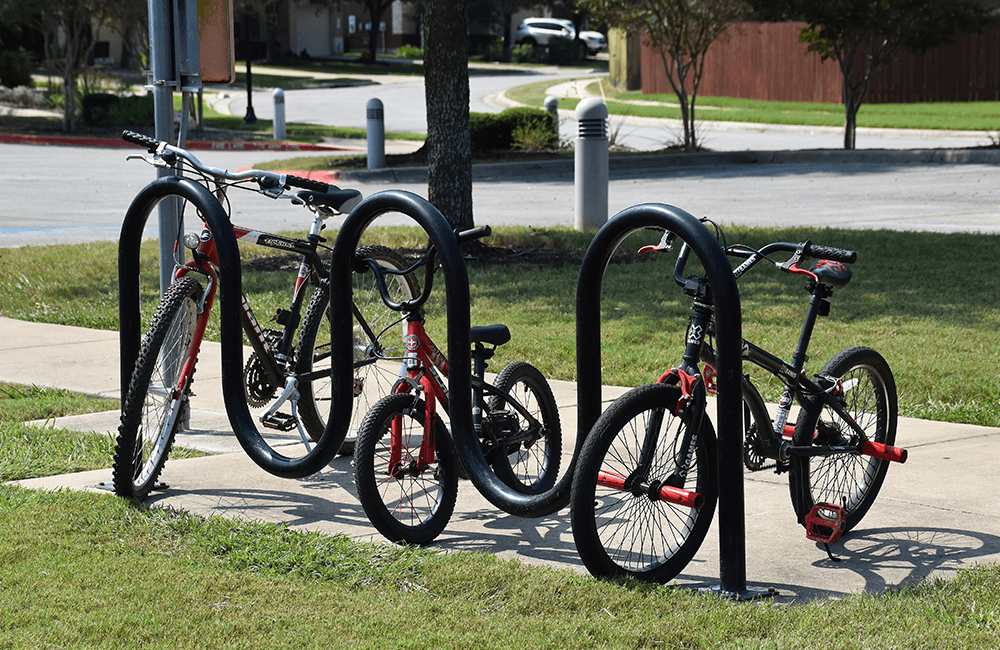
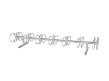
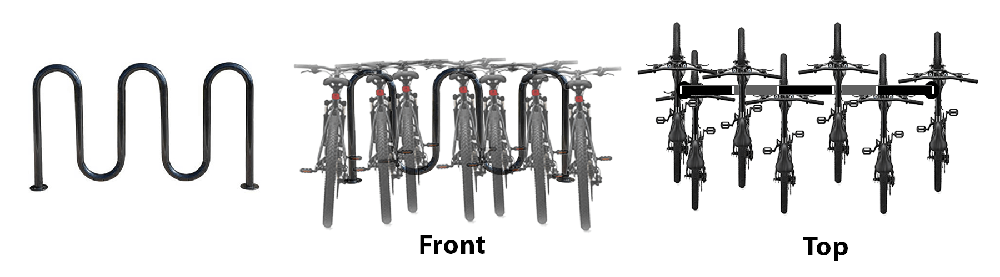
Wave bike racksare one of the most common options in commercial settings, offering a continuous curved design for multiple bikes.
Each wave is designed to support one bike per loop, with the ends accommodating two additional bikes.
How to park correctly:
Park perpendicular to the rack
Use one bike per curve to prevent overlap
Utilize the ends for additional bikes when needed
Lock the frame securely to the rack
Key considerations:
Typical capacity ranges from 3 to 11+ bikes, depending on rack length
More waves = more spacing, but also a longer overall rack footprint
Ideal for balancing capacity and flexibility in medium-traffic areas
Important to evaluate available space when selecting rack length
Parking parallel to a wave rack reduces capacity and increases the risk of bikes contacting each other.
Grid / Panel Bike Racks: Two-Sided High-Capacity Parking
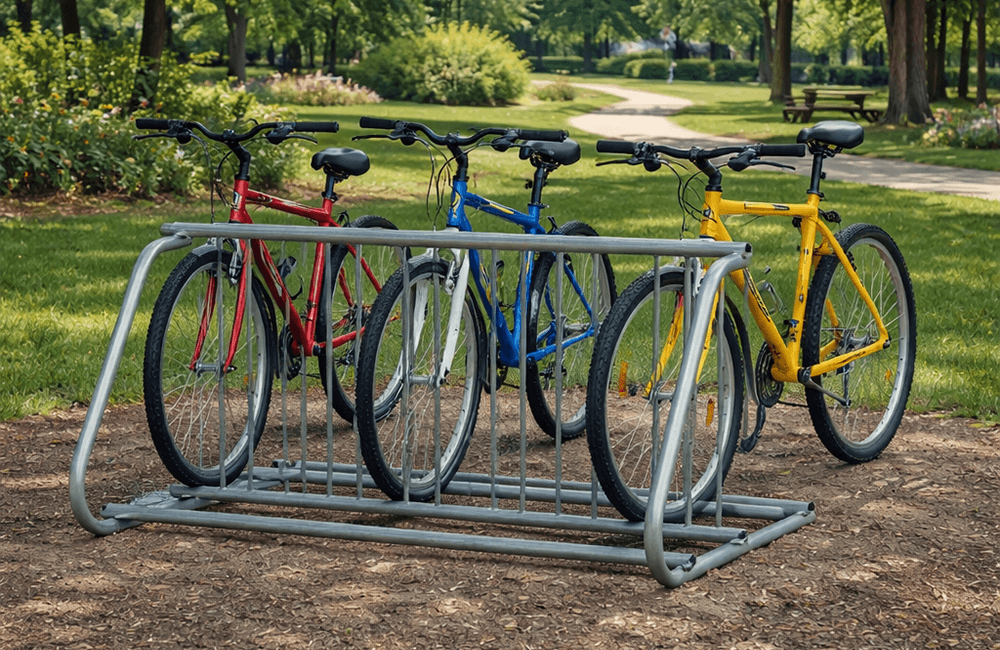
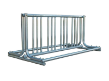
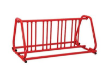
Grid-style bike racks are built for efficiency and are ideal for high-traffic environments.
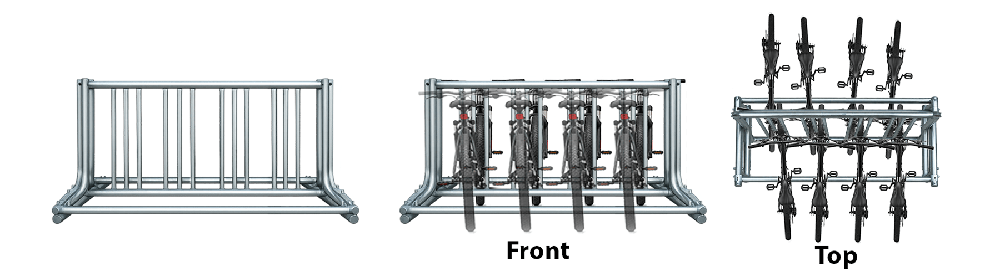
These racks are designed to allow bikes to be parked on both sides of the rack, maximizing capacity while minimizing bike-to-bike contact.
How to park correctly:
Park bikes on both sides of the rack
Stagger handlebars to avoid interference
Lock the frame to a vertical bar
Maintain spacing to prevent bikes from leaning into each other
Key considerations:
Designed for maximum density parking in high-demand areas
Two-sided use effectively doubles capacity compared to single-sided racks
Requires adequate clearance on both sides for accessibility
Best suited for schools, campuses, and large commercial properties
Using only one side significantly reduces capacity and creates congestion.
Low Profile Bike Racks: Compact but Limited Support
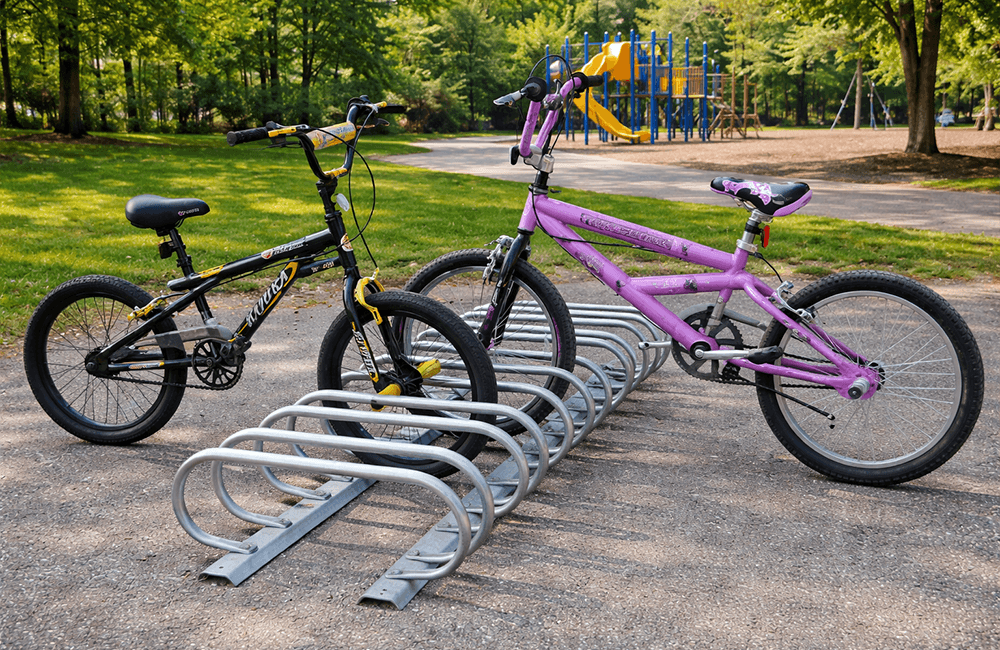
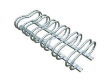
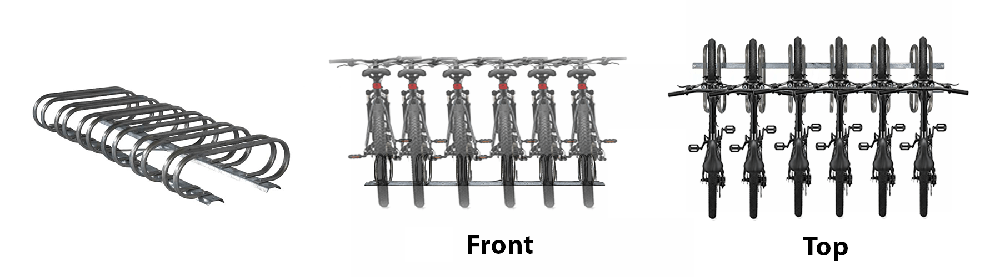
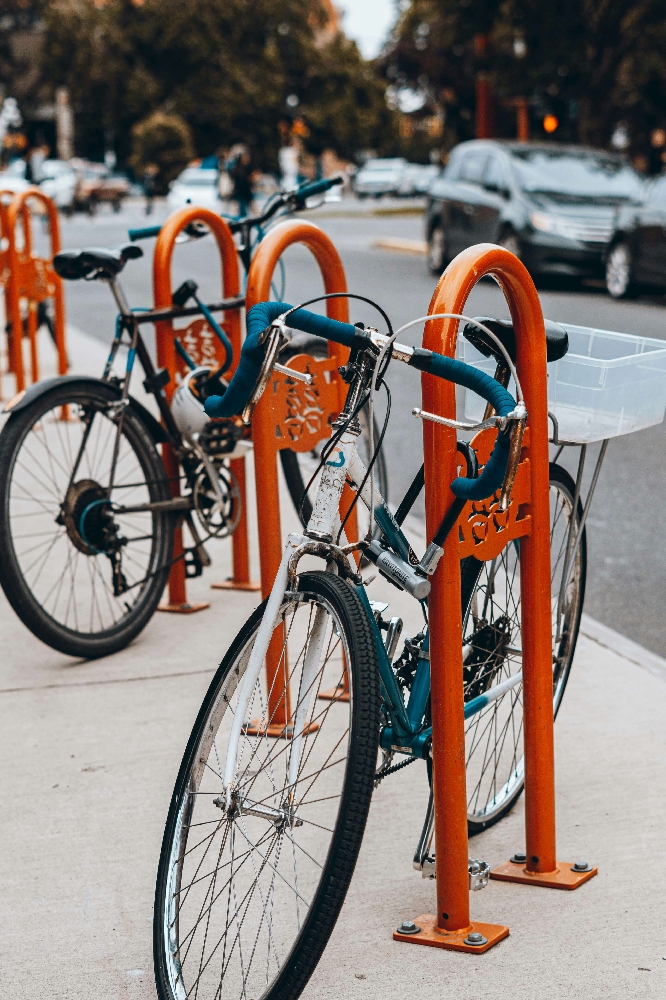
Low-profile racks hold bikes by the wheel and are typically used in tighter spaces.
While compact, they provide less support and require proper locking technique.
How to park correctly:
Always lock the frame to the rack, not just the wheel
Use an additional lock if possible
Ensure the bike is stable and upright
Key considerations:
Designed for space-saving installations where room is limited
Lower security compared to frame-supporting rack styles
Increased risk of wheel damage if improperly used
Better suited for low-risk or short-term parking areas
Improper use can lead to bent wheels or unstable bikes.
Parallel Bike Racks: Limited Capacity, Opposite-Side Parking
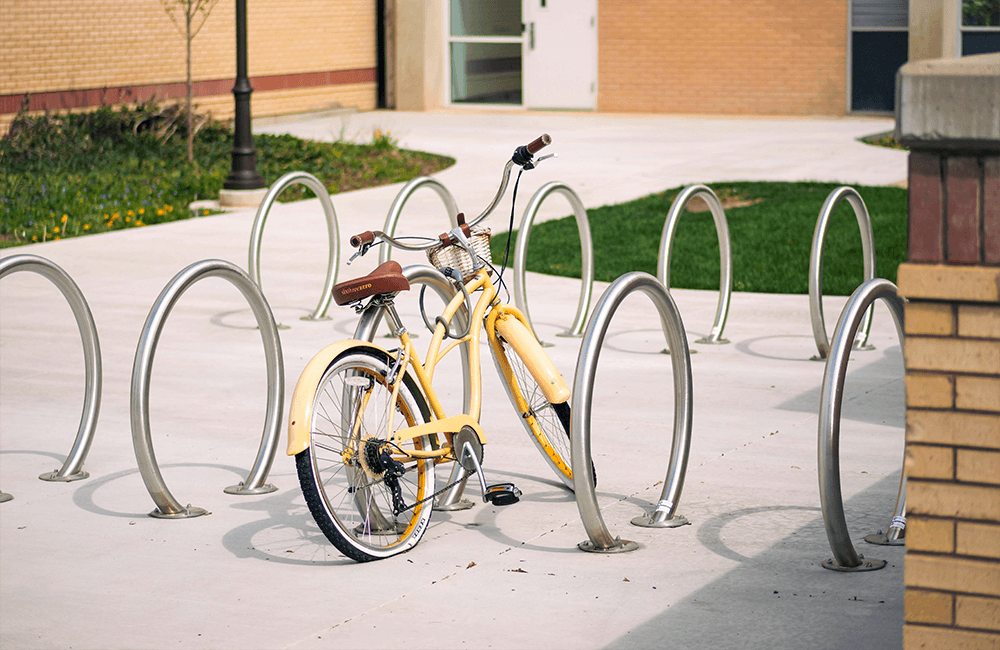
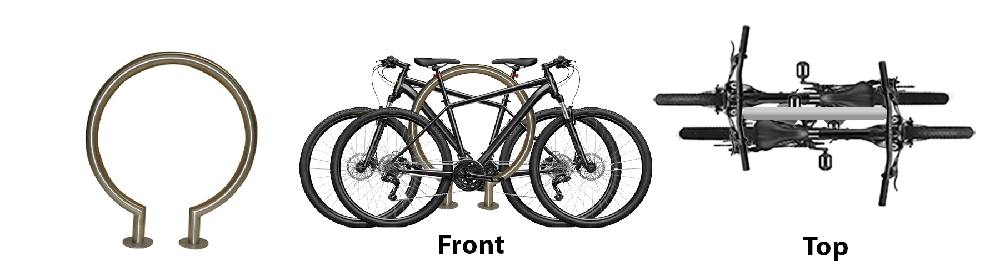
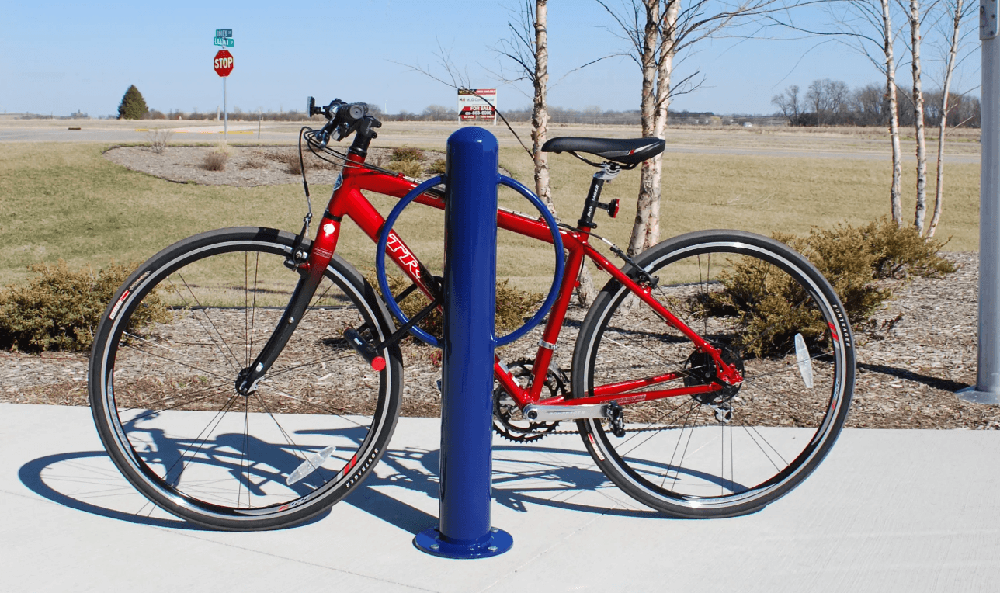
Some bike racks are designed specifically for parallel parking, including loop-style, bollard, sloped, and peaked racks.
How to park correctly:
Position the bike parallel to the rack
Park one bike per side
Lock the frame and wheel securely
Avoid adding extra bikes beyond intended capacity
Key considerations:
Typically support only two bikes total
Bikes are parked on opposite sides of the rack
Limited capacity compared to wave or grid racks
Because these racks support fewer bikes, you may need to install multiple units or choose higher-capacity options for more demanding environments.
Recommended Bike Locks for Social & Commercial Spaces
In public and shared environments, using the right lock is just as important as using the right rack.
Best lock types:
U-Locks (Recommended Standard)
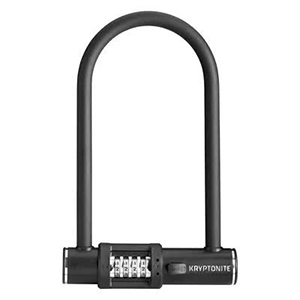
Most secure option for commercial environments
Rigid design resists cutting and leverage attacks
Ideal for locking the frame and rear wheel to the rack
Chain Locks (Heavy-Duty)
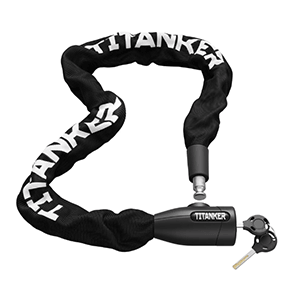
Flexible and useful for larger racks or multiple connection points
Stronger than cable locks when made with hardened steel
Great for securing both wheels and frame
Cable Locks (Secondary Use Only)
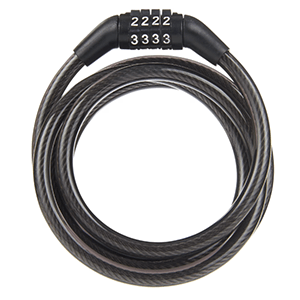
Lightweight and easy to carry
Should only be used as a secondary lock
Best paired with a U-lock for added wheel security
Step-by-Step Guide to Proper Bike Parking
Parking your bike correctly isn’t just about convenience—it ensures stability, protects your bike from damage, and allows for secure locking in any setting.
1. Position the Bike Correctly
Place your bike so the frame is touching the rack, ensuring stability and security.
2. Use a Secure Lock
Choose a U-lock or heavy-duty chain lock for best protection.
3. Lock the Frame and Wheel
Always secure:
The frame
At least one wheel (rear preferred)
Should You Use a Kickstand When Parking at a Bike Rack?
Short answer: No—avoid using a kickstand when parking at a bike rack.
Bike racks are designed to support your bike, making kickstands unnecessary and often counterproductive.
Why not to use a kickstand:
Reduces stability when leaning against a rack
Prevents the frame from sitting flush against the rack
Makes proper locking more difficult
Can cause bikes to shift into adjacent bikes
Best practice:
Lean the bike directly against the rack
Let the rack support the bike’s weight
Lock the frame and wheel securely
When kickstands are useful:
Temporary stops away from racks
Loading or unloading items
Common Bike Parking Mistakes to Avoid
Avoiding common bike parking mistakes can help prevent damage, improve security, and ensure your bike is properly supported in any parking environment.
Locking only the front wheel
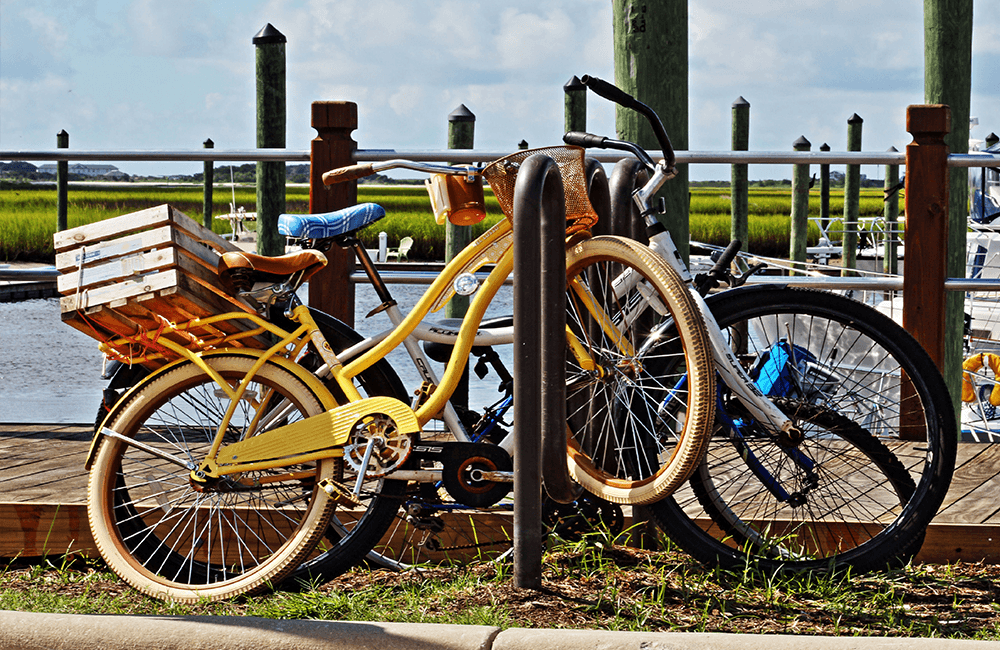
Parking parallel on wave racks
Not using both sides of grid-style racks
Overcrowding racks beyond intended capacity
Using kickstands instead of the rack for support
Using cable locks alone in high-traffic areas
Best Practices for Commercial Bike Parking Areas
For parks, campuses, HOAs, and retail centers:
Choose racks that support frame locking
Install enough racks to match expected demand
Allow spacing for two-sided parking where applicable
Use surface or inground mounting for stability
Place racks in visible, well-lit locations
Why Proper Bike Parking Matters
Proper bike parking improves:
Security against theft
Longevity of bikes and racks
Organization in shared spaces
Overall appearance of commercial properties
FAQs About Bike Rack Usage
How many bikes fit on a wave rack?
One bike per loop, plus two additional bikes on the ends, typically totaling 3–11+ bikes depending on length.
Can grid racks be used on both sides?
Yes, they are designed for two-sided parking to maximize capacity.
Should I use a kickstand at a bike rack?
No, the rack should support the bike instead.
What is the best lock for public spaces?
A U-lock is the most secure and recommended option.
Are parallel bike racks good for high-traffic areas?
No, they are better suited for low-demand areas due to limited capacity.


Leave your comment